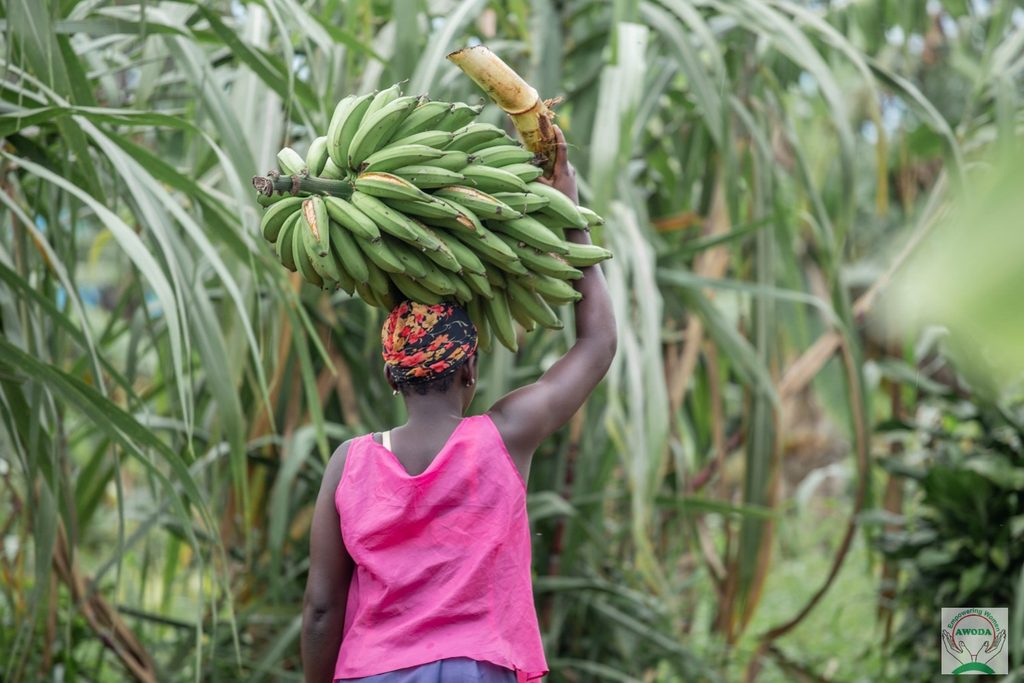
Ensuring Equitable Access and Control of Productive Resources by Small-Scale Farmers, Especially Women and Youth
Women play a crucial role in food and nutrition security, and their empowerment must be central to efforts to overcome hunger and malnutrition. Achieving this requires engaging women themselves, alongside their male counterparts, community leaders, and local institutions. Although women make up nearly half of the labour force in food systems worldwide, they continue to have less access to productive resources, fewer rights, and limited representation in decision-making processes compared with men (FAO, 2023). Women are more frequently employed in informal, labour-intensive, and vulnerable jobs, and often work only part-time. At the same time, women and girls are disproportionately affected by hunger and malnutrition (SOFI, 2024), accounting for 60% of those experiencing chronic malnutrition worldwide (SUN, 2022).
Nutrition outcomes are closely linked to gender equality. Because women are primarily responsible for food preparation, childcare, and household nutrition, their limited control over income, land, and agricultural output constrains the diversity and quality of food available to their families. Evidence shows that when women have greater control over household resources and decision-making, a larger share of income is invested in food, health, and children's nutrition. KAWODA therefore promotes nutrition-sensitive agriculture — supporting small-scale farmers, especially women, to produce, access, and manage diverse and nutritious foods — while encouraging men to share responsibility for household nutrition, childcare, and food preparation as part of a broader shift toward gender-equitable food systems.
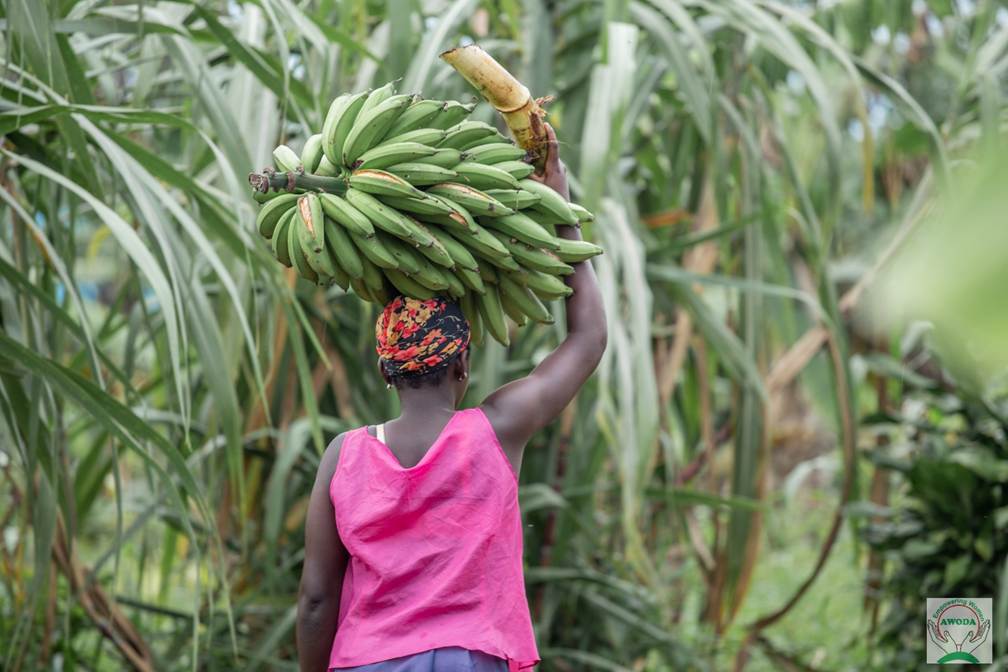
Women are also more exposed to the effects of the climate crisis, conflict, and economic instability (FAO, 2023). This heightened vulnerability stems from structural disparities, including economic inequality, a growing burden of unpaid care work during crises, limited access to land, and exclusion from decision-making processes.
Addressing these challenges is essential — not only for women, but for society as a whole. Ensuring equal opportunities and resilience for both women and men is fundamental to building sustainable and inclusive solutions to global crises. Deep-rooted social norms and structures continue to perpetuate gender-based inequalities and reinforce unequal power relations and stereotypes. Gender-Transformative Approaches (GTA) address these underlying norms, beliefs, and practices — particularly around household responsibilities and decision-making power — to achieve long-term, sustainable change toward gender equality. These approaches create opportunities for individuals to actively challenge harmful gender norms, promote women's social and political leadership within their communities, and address power imbalances between people of different genders.
These inequalities are sustained by restrictive gender and social norms embedded in households, communities, and institutions. Common examples include customary practices that exclude women from inheriting or owning land, norms that confine women primarily to unpaid domestic and care work, restrictions on women's mobility and participation in markets, cooperatives, and public decision-making spaces, and social expectations that position men as sole heads of household and default decision-makers over income and productive assets. Because these norms are learned early, reinforced daily, and enforced socially, shifting them requires sustained engagement — with individual women and men, households, community and religious leaders, and local institutions — rather than one-off awareness sessions.
KAWODA is committed to ensuring equitable ownership, access, and control of productive resources — including land, water, seed, and pasture — for small-scale farmers, especially women and youth. Inequality in access to land, seed, and other productive resources is closely linked to poverty and social exclusion. By addressing the inadequate and ineffective implementation of legal standards at both national and local levels, KAWODA contributes to a more supportive regulatory environment for small-scale farmers. In addition, tackling discriminatory cultural attitudes and practices within institutions and communities is essential to promoting gender and youth inclusivity in agriculture, since access to, ownership of, and control over productive resources are critical to ensuring equality and an adequate standard of living for small-scale farmers.
Our Gender-Transformative Approaches
- Social Norms Change: Working with households, community and religious leaders, and local institutions to identify and shift harmful norms — around land inheritance, division of labour, mobility, and decision-making — that restrict women's and youth's access to and control over productive resources.
- Women's Leadership: Building the individual and collective capacities of women and adolescent girls to lead within households, cooperatives, and local governance structures.
- Engaging Men and Boys (EMB): Promoting positive masculinity and transforming men from gatekeepers into active allies against patriarchy and gender-based violence.
- Household Dialogue: Using family-focused communication and business approaches — such as transforming farming into a joint family enterprise — to equalize domestic labour and shared financial decision-making.
- Men in the Kitchen: Encouraging men to take an active role in household food preparation and other domestic chores, challenging traditional gender roles, redistributing the burden of unpaid care work, and fostering shared responsibility within the family.
- Nutrition-Sensitive Agriculture: Strengthening women's and men's capacity to produce, access, and manage diverse and nutritious foods, and promoting shared responsibility for household nutrition, childcare, and food preparation.
- Gender Action Learning System (GALS): A community-led empowerment methodology using participatory tools that help households and groups analyze gender relations and develop action plans for more equitable livelihoods.