
Sustainable Farming Systems through Agroecology
Food security, food safety, and the sustainability of agricultural production remain critical challenges for a growing global population. Key food and income crops in developing countries continue to face severe production constraints caused by poor crop management and the intensifying effects of climate change. Rising concern over the environmental and food-safety costs of conventional farming has made the shift toward agroecological approaches essential for producing more, and safer, food without harming the environment.
Agroecology integrates ecological and social principles into the design and management of food and farming systems. It optimizes the relationships between plants, animals, people, and the environment, while addressing the social dimensions of a fair and sustainable food system. Rooted in bottom-up, locally driven processes, agroecology combines scientific knowledge with farmers’ own experience to generate solutions suited to local realities. It builds farmers’ autonomy and adaptive capacity, positioning them as agents of change, and goes beyond adjusting existing practices to transform food systems at their root, with particular attention to the rights of women, youth, and indigenous peoples.
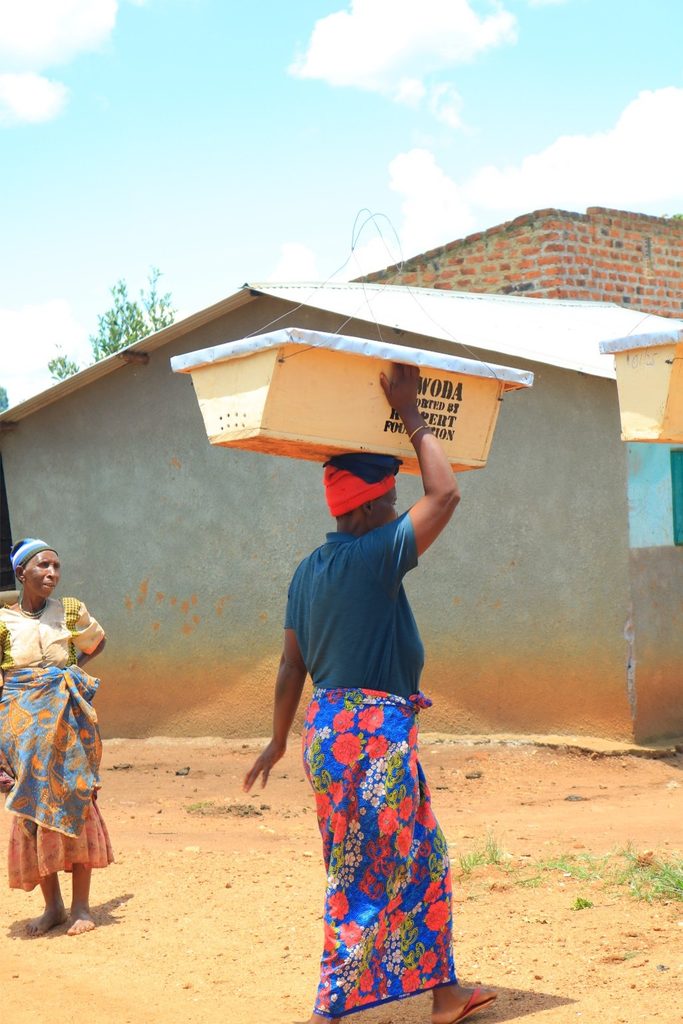
The Kyenjojo Association of Women Development Actors (KAWODA) advances safer and more productive food systems through three focus areas: promoting agroecological and safer production practices, strengthening community resilience to climate change, and encouraging renewable energy and watershed management. KAWODA works directly with smallholder farmers and farmer groups using the Integrated Farm Plan (Plan Intégré Participatif, or PIP), an approach that first prepares farmers socially and motivationally for sustainable family farming before introducing technical solutions. This is complemented by the Farmer Field School (FFS) model, known locally as Pathways, a participatory, discovery-based learning approach that strengthens farmers’ ability to analyse their production systems, identify problems, and test and adopt suitable solutions.
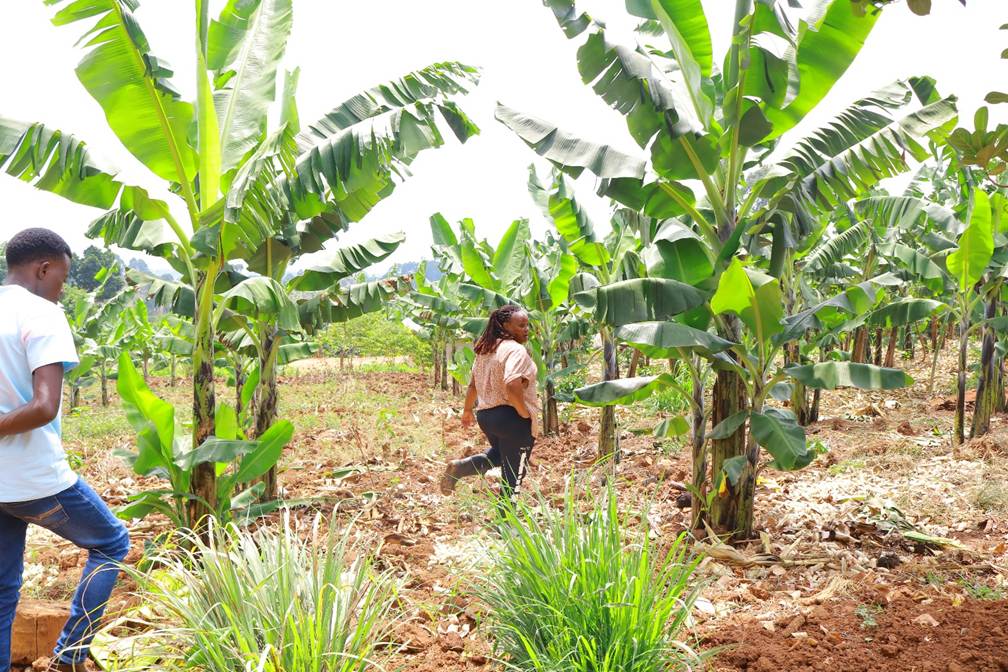
Sustainable Farming Systems through Agroecology is one of KAWODA’s flagship programmes, designed to improve food security and incomes for rural households while strengthening their bargaining position with dealers, markets, and financial institutions. The programme promotes farming systems that are environmentally friendly, highly productive, sustainable, and low-cost. It also builds farmers’ understanding of climate change, developing evidence-based, cost-effective, and user-friendly adaptation and mitigation measures that safeguard smallholder livelihoods over both the short and long term.
A core component of this work is agroecological marketing, which covers every stage of moving produce from farm to consumer, including planning, production, harvesting, grading, packaging, transport, storage, value addition, market information, distribution, and sales.
KAWODA supports farming communities to access financing, business development services, and markets, creating incentives to adopt voluntary production standards while generating employment and income opportunities, particularly for women and youth.