| PROJECT SUMMARY Strengthening Economic Empowerment and Social Resilience For Teen Mothers, Women & Girls in Nyabirongo Sub-County, Kyenjojo District Implemented by KAWODA | Proposed duration: 36 months (2026–2028) |
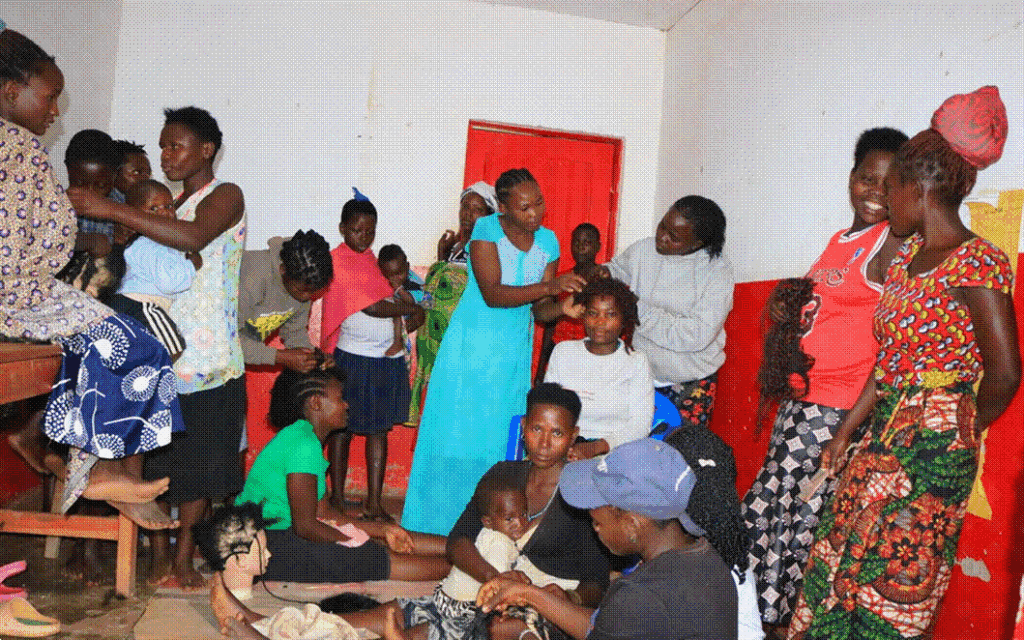
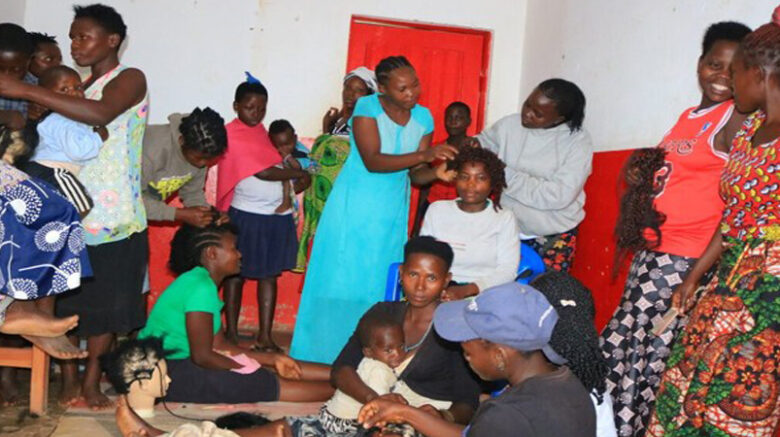
Beneficiaries practicing hairdressing skills at one of KAWODA’s vocational training centre
| 180 teen mothers, girls and young women aged 10–24 (60 per year) | 15 beneficiary groups | 2 vocational skills centres: Kyakasana and Kisangi | 36 months, 2026–2028 |
OVERVIEW
About the Project
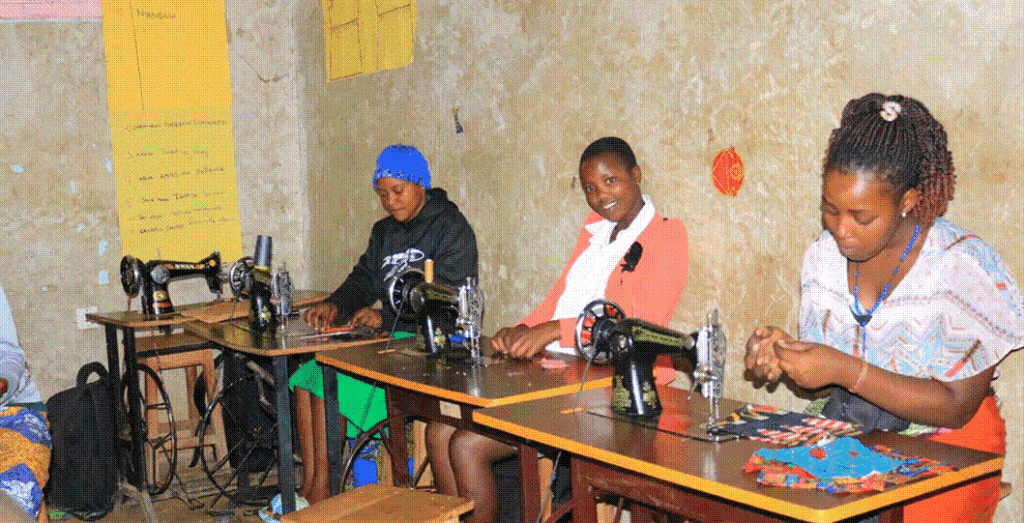
| This three-year project is implemented by Kyenjojo Association of Women Development Actors (KAWODA) financed by Swiss League of Catholic Women (SKF/SLCW), a partner KAWODA has worked with since 2013. It builds on an earlier SKF-funded project (2022) that supported economic empowerment and helped establish school clubs to challenge child marriage. The project is based in Nyabirongo Sub-County, Kyenjojo District, in Uganda’s Tooro Sub-region. The project directly targets 180 teen mothers and adolescent girls and young women aged 10–24, both in and out of school, cumulative over three years (60 per year), prioritizing those who married early, dropped out due to pregnancy, or face partner violence. Beneficiaries are organized into 15 groups and supported through KAWODA’s vocational skills centers in Kyakasana and Kisangi, offering tailoring, hairdressing, and new trades such as leather goods, sanitary pad making, and jewellery. | Overall objective The project’s overall objective is to end child marriage and early pregnancy by promoting sustainable livelihoods, education, and empowerment for girls and women, in line with Uganda’s National Strategy to End Child Marriage and Teenage Pregnancy and SDG target 5.3. Specific objective Its specific objective is to improve the vocational, entrepreneurial, leadership, and advocacy skills of teen mothers, girls, and women, while strengthening school-based efforts to transform harmful gender norms and promote girls’ education, including through school clubs using creative arts, debate, and peer education. |
| Tailoring | Hairdressing | Leather goods | Sanitary pad making | Jewellery |
OUR WORK
What We’re Doing
| 1 | Building Vocational and Business Skills Beneficiaries train in tailoring, hairdressing, and expanding trades like leather goods, sanitary pad production, and jewelry-making at KAWODA’s re-equipped skills centers. Alongside hands-on training, groups receive coaching in record-keeping, business management, financial literacy, and marketing and customer care — turning a trade into a sustainable income. |
| 2 | Strengthening Savings and Financial Resilience Every group is trained in Village Savings and Loan Association (VSLA) methodology and equipped with savings toolkits, giving members a safe, community-owned way to save, borrow, and invest in their businesses without depending on external credit. |
| 3 | Growing Leadership, Confidence, and Wellbeing Through leadership training, sexual and reproductive health education, and psychosocial support, participants build the confidence to make informed decisions about their bodies, their businesses, and their futures. Gender Action Learning Systems (GALS) sessions help both women and men re-examine gender roles and household decision-making, while regular monitoring visits and bi-annual reflection meetings keep support responsive to what girls actually need. |
| 4 | Planning for What Comes After the Project Recognizing this is the final phase of a longer partnership, KAWODA is building in sustainability from the start — facilitating group-based sustainability planning sessions and linking groups to local service providers, government livelihood funds, and peer networks so the gains outlast the project itself. |
| HOW WE WORK Our Approach KAWODA works through community ownership, not top-down delivery: local leaders help identify vulnerable households, community stakeholders help shape and monitor the project through annual multi-sector meetings, and beneficiary groups themselves take responsibility for their VSLAs and businesses. This peer-group model — the same 15 groups moving together through skills training, savings, and leadership development — builds solidarity alongside skills, so girls graduate with both a trade and a support network. |
| LOOKING AHEAD Expected Impact By the end of the project, KAWODA expects to see fewer cases of child marriage and teenage pregnancy in Nyabirongo, stronger and more diversified household incomes among teen mothers and women, and a shift in community attitudes toward girls’ education and gender equality — changes designed to hold well beyond the project’s three years. |